Defining Generational Trauma
Generational trauma — also called intergenerational trauma or transgenerational trauma — is the process by which the psychological, emotional, and even physiological effects of trauma are passed from one generation to another. It is not about blaming parents or grandparents. It is about understanding that trauma that goes unprocessed does not simply disappear — it tends to find expression in the next generation.
Trauma can be inherited through multiple pathways: through parenting behaviors shaped by unresolved pain, through family narratives and silences, through learned coping styles, and increasingly, research suggests, through epigenetic mechanisms — changes in gene expression that can be influenced by severe stress and passed on biologically.
Definition
Generational trauma is the transmission of unresolved psychological wounds — from historical events, family experiences, or collective adversity — across generations. It operates through behavior, narrative, environment, and biology.
Where Generational Trauma Comes From
Generational trauma does not have a single source. It can emerge from many types of experiences:
- Historical and collective trauma — the legacy of slavery, genocide, colonization, forced displacement, or systemic oppression that reshapes entire communities across centuries
- War and political violence — including displacement, refugee experience, and the psychological aftermath for survivors and their families
- Family-level trauma — abuse, neglect, addiction, domestic violence, or sudden loss that occurred within a family system
- Poverty and chronic stress — the cumulative psychological toll of economic hardship, food insecurity, or housing instability across generations
- Medical or cultural suppression of grief — when losses are not allowed to be mourned or spoken about, they do not disappear; they become part of the family's unspoken inheritance
How Trauma Travels Between Generations
Through parenting patterns
Parents who carry unresolved trauma may become hypervigilant, emotionally unavailable, or unable to tolerate their children's distress — not because they do not love their children, but because their own nervous systems were shaped by experiences that required those adaptations. These patterns become the water their children swim in.
Through family narratives (and silences)
What families talk about — and what they refuse to talk about — both carry meaning. Unspoken losses, family secrets, and forbidden topics create psychological weight that children sense and carry without necessarily understanding why. The stories we tell (or don't tell) about our family history shape identity, belonging, and self-worth.
Through biology
Emerging research in epigenetics — the study of how environmental experiences can alter gene expression — suggests that severe trauma may leave biological marks that are heritable. Studies of Holocaust survivors and their descendants, for example, have found altered stress hormone levels across generations. This is an evolving area of science, but it adds biological dimension to what we know about emotional inheritance.
Signs of Generational Trauma
Generational trauma does not always announce itself clearly. But it often shows up in recognizable patterns:
- Persistent anxiety, hypervigilance, or a chronic sense that something bad is about to happen
- Difficulty trusting others or feeling safe in relationships
- Emotional numbness or difficulty expressing feelings
- Shame or negative self-regard that feels disproportionate to your own experiences
- Repeated cycles of conflict, disconnection, or loss in relationships
- Patterns of addiction, self-harm, or emotional dysregulation
- A sense of grief or heaviness that you cannot connect to a specific cause
- Strong reactions to topics, images, or places that echo your family's history
Important Note
These signs can have many causes. If you recognize these patterns in yourself, that is a starting point for exploration — not a diagnosis. A licensed mental health professional can help you understand what you are carrying and where it came from.
The Connection to Mental Wellness
Generational trauma is not just a historical or academic concept — it has direct implications for mental wellness in the present. When we carry inherited wounds without awareness, they tend to shape our behavior, our relationships, and our sense of self in ways that create ongoing suffering.
The inverse is also true: when we do the work of understanding our inheritance, we begin to reclaim choice. We become less reactive to old pain. We relate to ourselves and others differently. We interrupt cycles that might otherwise continue into the next generation.
Where Healing Begins
Healing generational trauma is real and possible — and it tends to begin with the same first step: awareness. You cannot heal what you cannot see. When you begin to understand that certain patterns in your life are not your fault, not your destiny, and not the whole story — something shifts.
Healing often involves:
- Learning your family's history with openness and compassion
- Working with a therapist who understands trauma and its intergenerational transmission
- Developing the capacity to process emotions that were suppressed or forbidden across generations
- Building relationships — with yourself and others — that offer what earlier generations could not
- Understanding that healing is not a rejection of your family; it is an act of love toward yourself and toward those who come after you
Generational Healing — Coming Soon
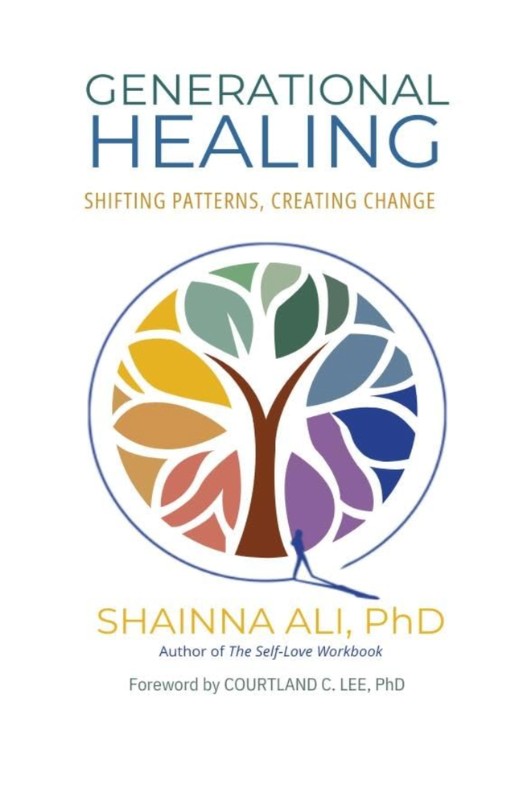
Dr. Shainna's forthcoming book Generational Healing is a deeply personal and clinically grounded guide to understanding your inherited wounds, breaking cycles, and reclaiming your story. A journey through ancestry, identity, and the transformative work of healing.
Pre-Order on Amazon →Your story does not have to be defined by what was handed to you. Understanding generational trauma is not about getting stuck in the past — it is about understanding the past clearly enough to step into a different future. Healing is not just possible. In the right hands and with the right support, it is profound.